

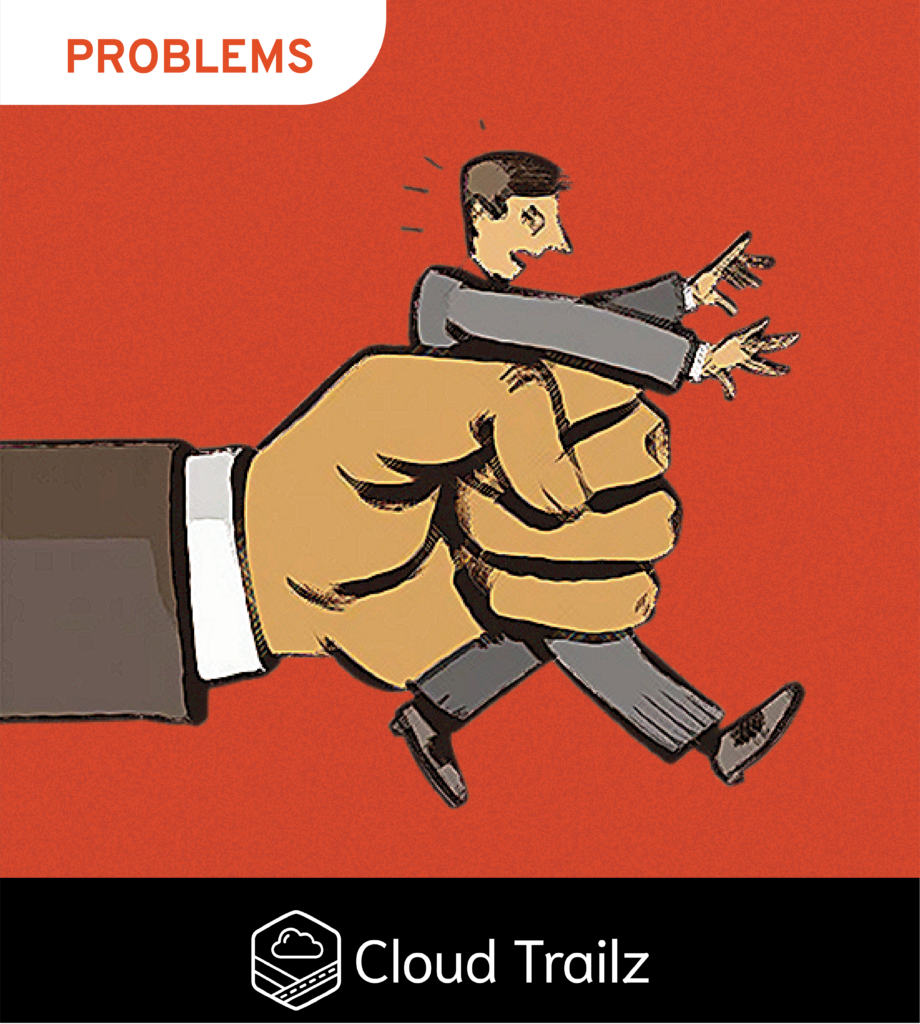
The Situation
You’re experiencing Salesforce selling pressure.
You’re talking to an account executive.
It might have started simple:
-
A renewal
-
A question
-
A “quick check-in”
Next thing you know, you’re being asked to make a decision by the end of the month.
At first it’s subtle.
Then it turns into:
-
“We’d really like to get this in before the 31st”
-
“There are incentives tied to timing”
-
“This pricing may not be available next month”
The closer you get to the end of the month, the more intense it becomes.
It’s sudden.
It’s uncomfortable.
And it feels very intentional.
The Short Answer
Yes, the Salesforce selling pressure is real.
And it’s happening because reps are heavily incentivized to close business by the end of the month.
Salesforce is a publicly traded company. It’s important to remember that when judging the actions that employees make.
They report performance quarterly.
The cleanest way to hit those numbers?
Push deals to close as fast as possible.
What’s Actually Going On
There was a time when this wasn’t as intense.
The “Ohana” culture had more room to breathe.
Salesforce was early in the cloud CRM space.
Demand came easier.
That’s not the environment anymore.
Now you have:
-
HubSpot
-
Microsoft
-
Zoho
-
Pipedrive
- Vibe coded CRMs from developers.
All competing hard.
That changes behavior.
Salesforce didn’t get smaller.
The pressure got bigger.
The 3 Root Causes
1. Financial Pressure Never Stops
Salesforce is under constant pressure to grow.
Quarter after quarter.
Year after year.
There is no version of “lets just take it easy this month.”
That pressure rolls downhill:
-
Leadership → Managers → AEs → You
2. The Revenue Model Rewards Speed
Reps are paid on incremental revenue.
The more you buy, the more they make.
Simple as that.
That creates a very clear incentive:
👉 Close the deal
👉 Close it fast
👉 Close it before month end
3. Urgency Works on Humans
This isn’t just Salesforce.
It’s basic human behavior.
-
Black Friday
-
Countdown timers
-
“Limited time offer”
People respond to urgency. Salesforce just applies it to enterprise software.
What This Looks Like in Real Life
Here’s how Salesforce selling pressure usually plays out:
Call #1:
“Just checking in, wanted to understand your needs.”
Call #2:
“Here’s a product that could help.”
Call #3:
“If we move forward this month, we may have flexibility on pricing.”
Final Week:
-
Daily follow-ups
-
Stronger language
-
More urgency
-
Subtle pressure to commit
- Showing up at you house to get the Docusign wrapped up.
Same rep.
Same deal.
Completely different tone.
Why It Keeps Happening
Because it works.
The system rewards closed deals, predictable revenue, and fast cycles.
People who embrace that stay and get promoted.
People who don’t struggle a lot and end up leaving.
So the behavior gets reinforced over and over again.
What’s Real vs What’s a Tactic
This is important.
Not all pressure is fake.
Some of it is real.
Real:
-
Pricing tied to quarter performance
-
Discount windows closing
-
Internal approvals expiring
Tactic:
-
Artificial urgency
-
“This will never be available again” (it often is)
-
Emotional escalation
The problem is you don’t know which is which in the moment.
That’s what creates stress.
The Cost of Ignoring It
The biggest cost of Salesforce selling pressure is stress.
Not money.
Not even the deal.
Stress.
Because it creates urgency without clarity, pressure without control, and decisions without confidence.
I’ve seen people panic, overthink, and rush decisions because they were “on the clock”.
One customer was so stressed that she was literally hyperventilating on a recap call with me.
That’s insane.
There is no CRM product worth that.
How to Respond Without Losing Your Mind
You don’t need to fight it.
You just need to understand it.
Once you do you can go from “Why is this happening?” to “I see this and I understand it”.
Simple Responses That Work
-
“We’re not making a decision this month.”
-
“We need more time to evaluate.”
-
“We’ll revisit this on our timeline.”
No drama.
No explanation.
Understand that this may not slow down the pitching and discussion of end of month.
Just know that you don’t have to continuously feed into it.
What Good Looks Like Instead
You operate on your timeline.
Not theirs.
You understand the pressure, don’t take it personally, and don’t rush decisions.
-
Understand the pressure
-
Don’t take it personally
-
Don’t rush decisions
The best buyers know the game, stay calm, and make decisions when they’re ready.
Closing Thought
Salesforce selling pressure is structural.
It’s not personal.
Most of the reps doing it don’t love it, don’t enjoy pushing, and are playing the game to stay employed.
They’re running a playbook.
You just happen to be in it.
The best thing you can do is expect it.
Once you expect it the game changes.
You move from stressed → annoyed → indifferent
That’s the goal.
We’ll help you think through it without the pressure.