

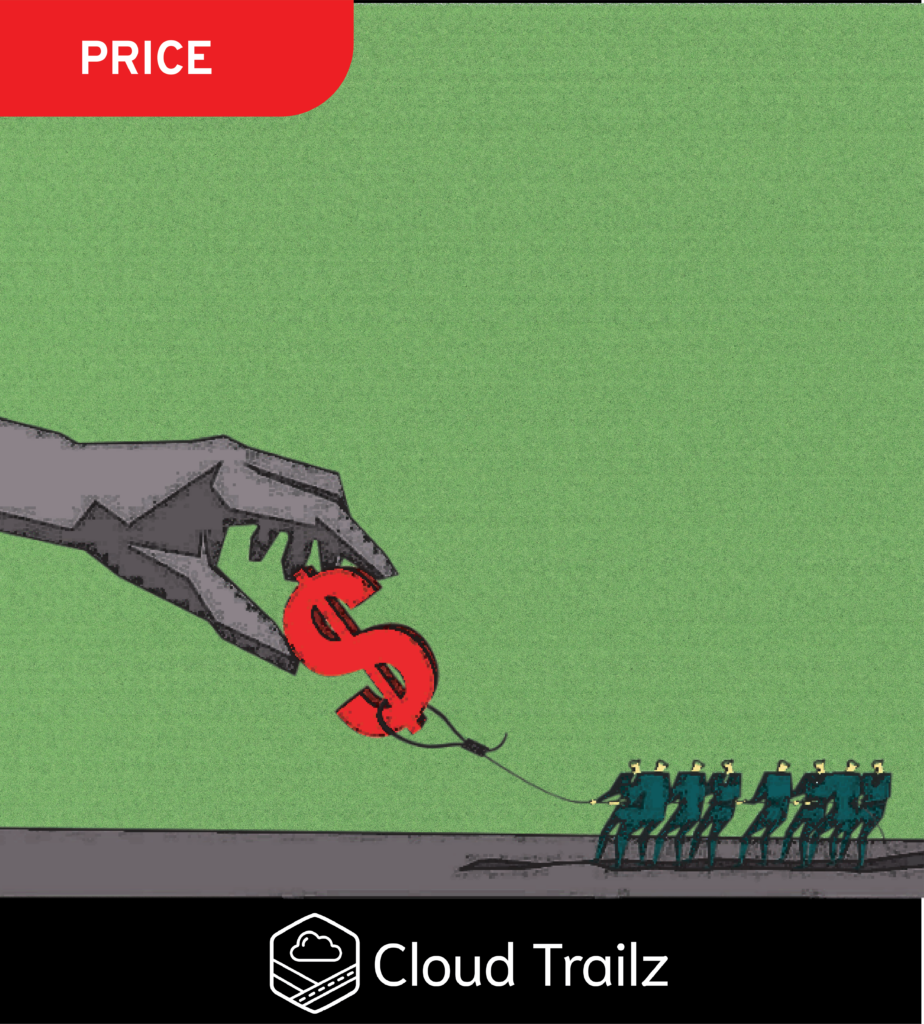
If you’ve dealt with aggressive Salesforce reps, you already know the feeling.
What started as a quick check in quickly moves into product demos, next steps, timelines, and pressure to decide.
You thought you were going on a first date.
Turns out you’re already engaged and it’s time to get married.
And no you’re not the only one.
Why You’re Dealing With Aggressive Salesforce Reps
Aggressive Salesforce reps are a byproduct of the environment they work in.
These folks are quota-driven, measured on closed deals, and operating inside a massive revenue machine.
And that machine needs outcomes.
Salesforce is a zillion dollar company.
Once you engage you become part of the pipeline.
And the goal is simple move you to closed won or closed lost as fast as possible (preferably closed won).
What’s Actually Going On Behind the Scenes
This part matters. Because it’s not personal.
It FEELS personal, but it’s not.
You are a number on a board
At scale, we all are.
That Account Executive has a number to hit, a timeline, and a chain of leaders (whose bonuses are on the line) watching.
Being your friend is not in the job description
I’ve seen extremely kind, thoughtful people hit a point where they had to decide to either apply pressure to their prospects or apply pressure to their network to find another job.
Some stay and some leave.
Why Aggressive Salesforce Reps Exist
1. Quota Pressure Is Real
Salesforce quota is not casual.
There was a time when things were softer.
That changed.
As activist investors like Elliott Management and Starboard Value pushed for efficiency and performance expectations tighten.
Now numbers matter more, timelines matter more, and performance is tracked aggressivel.
If you don’t hit your number you might be the next number.
2. Performance Culture
Salesforce is not a “take your time” sales environment.
It’s performance, metrics, and time-sensitive. It’s not quite a boiler room, but it’s not a playground.
Deals are evaluated on size, speed, and likelihood to close.
You don’t build a company like Marc Benioff did by playing frisbee with every customer.
That’s just reality.
3. The System Works
People don’t want to hear it but the approach works.
Salesforce has brand power, product breadth, and data on what converts and how to push people.
So when you express a need, mention a problem, or show curiosity it’s time to get mapped to a product, placed in a sales motion, and pushed towards a decision this month.
It wasn’t and isn’t my cup of tea.
But maybe that’s why Marc Benioff is drinking gold and I’m not.
What This Looks Like in Real Life
If you’ve experienced aggressive Salesforce reps, the pattern is predictable:
-
You respond to a friendly outreach
-
You take a call
-
You explain your situation
-
You get introduced to new products
-
You’re asked about next steps
-
You’re given a timeline
Now suddenly you’re in a deal cycle even if you didn’t intend to be.
Real Example Pattern
You say:
“We’re struggling with reporting.”
Next thing you know looking at Tableau, Einstein Analytics, and discussing upgrades.
Also if you could decide by the 31st that would be fantastic.
That’s the machine.
Why It Won’t Stop
Because aggressive Salesforce reps are operating inside a system that rewards speed, volume, and big money.
And Salesforce is a publicly traded company that has to report performance.
Every deal impacts forecasts, revenue, and perception.
Your decision gives Jim Kramer something to scream about.
That’s why the pressure exists.
The Cost of Ignoring It
The cost isn’t really financial (unless you cave into things you don’t need).
It’s your sanity.
You’ll see people online venting about this constantly.
But complaining about aggressive Salesforce reps is like complaining about bottled water prices.
It’s not changing.
It’s better to understand it because no AE can force you to do anything.
They can follow a playbook, apply pressure, and stay persistent.
It’s still not mind control. At most it’s irritating phone calls and emails.
You still control the decision.
How to Handle Aggressive Salesforce Reps
Once you understand the system, it becomes easier.
1. Be Explicit Early
Say:
-
“We’re not buying this quarter”
-
“We’re just gathering info”
- “Do I need to say no in Russian?”
2. Control the Scope
Don’t let curiosity turn into a full sales cycle.
Ask yourself
-
what does it replace
-
what does it cost long term
3. Don’t Confuse Activity with Necessity
Just because something is shown doesn’t mean you need it.
Salesforce is very good at expanding footprint.
Your job is deciding what actually matters.
4. Understand You’re a “Live Deal”
Until you clearly say no you’re in play.
And depending on the AE or leadership you might still be in play after that.
Closing Thought
I know a lot of Salesforce AEs.
Most are good people, hardworking, and trying to do right by their families.
They’re not predators. They’re products of their environment.
However, that environment demands growth, performance, and results.
Quarter over quarter.
Year over year.
Or an explanation as to why.
But preferably the growth and less of the explanation.
If you understand that aggressive Salesforce reps stop being frustrating and start being predictable.
Which puts you back in the drivers seat.
If you need help managing the sales cycle with Salesforce reach out and we will guide you through it.