

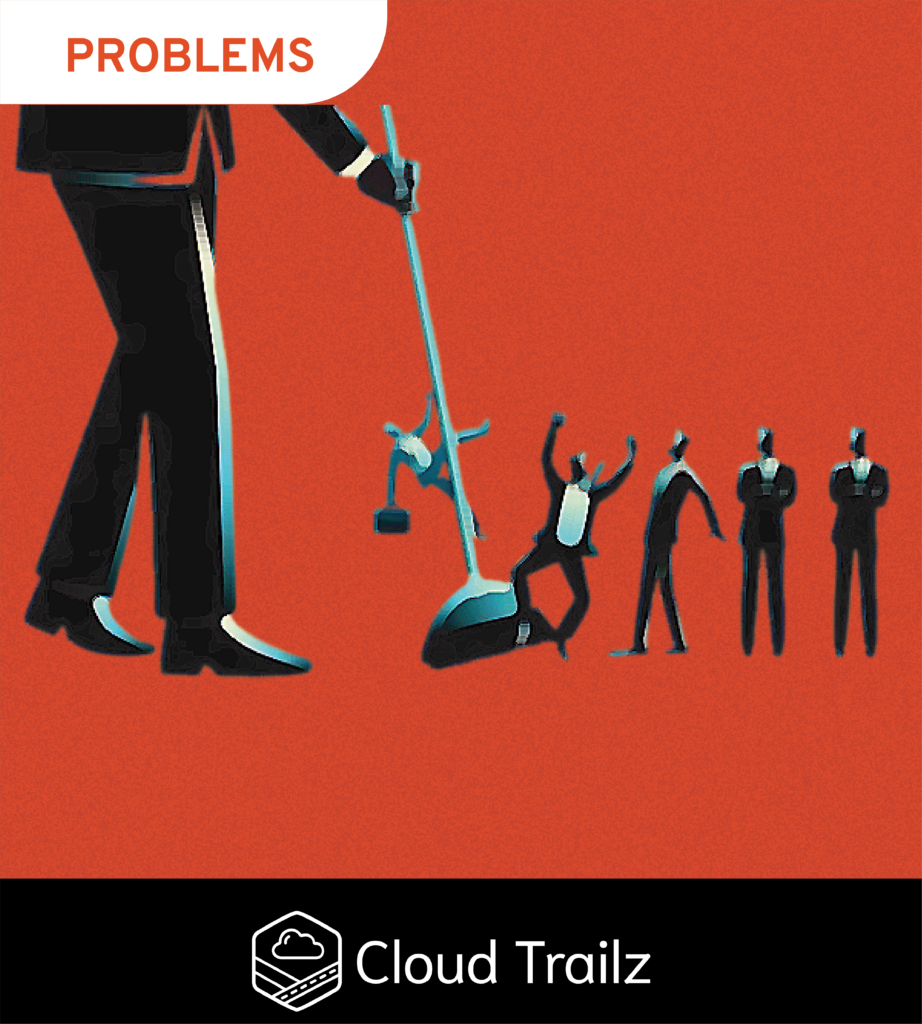
If your top salesperson hates Salesforce, you usually don’t realize how big of a problem that is until it’s already happening.
You’ve already made an investment, implemented the system, and trained your team.
And then it hits you.
Your best rep (the one closing the biggest deals) refuses to use it.
That’s not a small issue.
That’s the system breaking at the exact point where it matters most.
We see this constantly.
The Short Answer: When Your Top Salesperson Hates Salesforce
You most certainly can’t force anyone to use it.
But you can influence behavior across a spectrum.
And you need to.
Because if your most influential person you’re in a dangerous spot.
That behavior spreads.
Fast.
What’s Actually Going On With Your Top Rep
You have to start with honesty.
Your top rep got where they are without Salesforce.
They built their system using notes, spreadsheets, email, relationships, persistence, and maybe even some waterboarding.
Whatever they’ve done up until now it works for them.
So when Salesforce shows up, they don’t see opportunity they see interference and oversight.
Why Your Top Salesperson Hates Salesforce
There are a few root causes, and they’re consistent.
1. Inertia
They already have a system.
It works.
Why change it?
2. They Don’t Want Oversight
This one matters.
Salesforce introduces visibility, tracking, and accountability.
If they’ve operated independently, this feels like control, not support.
3. They Don’t See How It Helps Them Make Money
This is the biggest one.
If Salesforce looks like extra steps, more data entry, and more admin work they are out.
Because in their mind it’s not helping them close more deals.
4. They Weren’t Included in Design
This happens all the time.
Leadership builds a system for reporting, forecasting, and visibility.
It may not help the reps sell so they quickly disengage.
5. CRM Was Weaponized Before
Some reps have seen CRMs used to micromanage, criticize, and penalize.
Once that trust is broken, it’s hard to rebuild.
What This Looks Like in Real Life
This pattern is almost identical everywhere.
-
Salesforce is purchased.
-
Salesforce is configured.
-
Salesforce training happens.
-
Top rep quietly (not so quietly) decides this is for everyone else, not me.
From there several things fall off a cliff. Adoption, data quality, and reporting.
Meanwhile you’re stuck in a contract that is notoriously difficult to get out of.
Why This Keeps Happening
Leadership buys Salesforce for leadership reasons (visibility, forecasting, management).
Your top salesperson hates Salesforce because they don’t see how it helps them make money.
And if they’re influential?
Others follow.
The Cost of Ignoring It
This isn’t just a behavior issue. It’s a financial problem.
You already have the sunk cost of implementation, licenses, and training.
That’s one of the most expensive outcomes you can have.
What Good Looks Like Instead
Very few leaders realize this, but when you buy Salesforce you instantly become the change management leader.
Not IT.
Not your consultant.
You.
Salesforce is a tool. Like a hammer.
People don’t use hammers because they like them.
They use them because they help them get the job done.
1. Start With the Rep, Not Leadership
Before rollout, ask “How does this help the salesperson win?”.
Not “How does this help leadership see better?”
If the rep doesn’t benefit, adoption will fail.
2. Get to the Root Cause (Privately)
This is critical.
Sit down with your top salesperson and figure out why they hate Salesforce.
It’s usually one of three things:
A. They Don’t Want Oversight
They’ve been successful without it and don’t want that to change.
B. They Don’t See the Money
They don’t believe Salesforce helps them make more money.
C. They Weren’t Included
They don’t recognize the system because it doesn’t reflect how they work.
3. Show Them What’s In It for Them
You need to connect Salesforce to time savings, visibility, clarity, missed opportunity, and/or new opportunity.
If you can’t do that: They won’t buy in.
4. Design With Them, Not For Them
If possible, involve them early.
Top reps influence culture.
If they buy in and others follow.
If they don’t others resist.
5. Know Your Levers
You need to decide upfront what happens if they don’t engage.
Because without a plan, you end up hoping they come around, accepting low adoption, and living with the sunk cost.
Too many companies are stuck right there.
Real-Life Contrast: Good vs Bad Approach
Bad Approach
-
Force usage
-
Ignore feedback
-
Design for leadership
-
Hope adoption happens
Result: top salesperson hates Salesforce → system fails
Good Approach
-
Align system to selling
-
Include key influencers
-
Connect to revenue outcomes
-
Lead change intentionally
Result: adoption improves → system works
Final Thought
This is one of those quiet problems that shows up after the money is spent.
If your top salesperson hates Salesforce, it’s not just a personality issue. It’s a system design and leadership issue.
And if it’s not addressed that Salesforce bill will come and go with no ROI.
It fails because the people who matter most never bought in.
If you’re dealing with this situation, we can help you break it down and figure out what’s actually going on.
Sometimes it’s the system.
Sometimes it’s the approach.
Sometimes it’s both.
Either way, we’ll give you a clear path forward.